


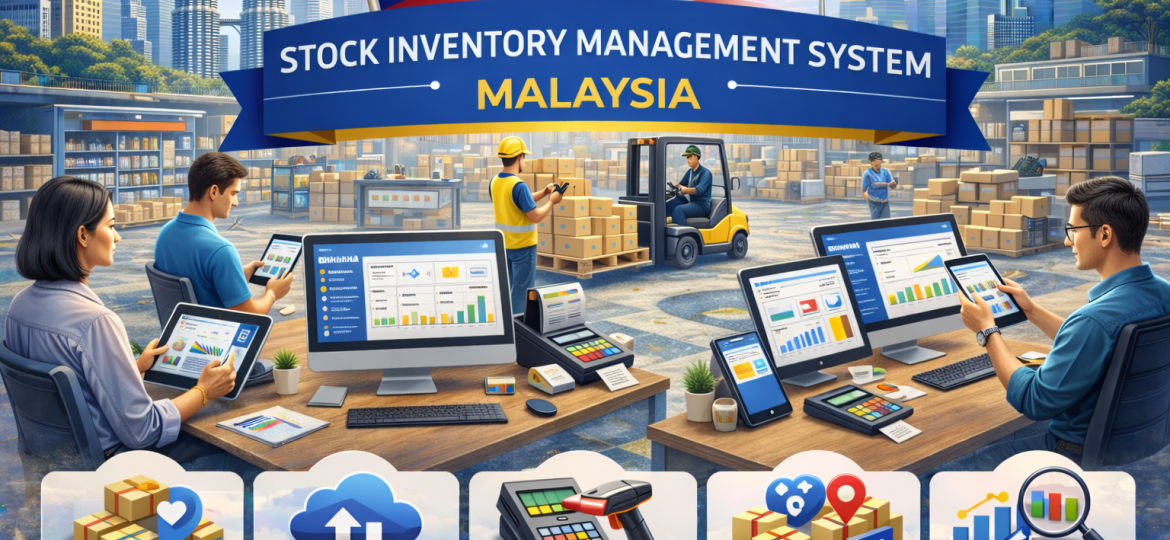
Stock Inventory Management System: A Comprehensive Guide for Malaysian Businesses
For businesses in Malaysia, managing inventory efficiently is crucial to maintaining profitability, customer satisfaction, and smooth operations. A stock inventory management system (SIMS) helps businesses keep track of their stock, reduce errors, and optimize inventory levels. Whether you’re in retail, wholesale, or manufacturing, an effective stock inventory management system can make the difference between success and costly inefficiencies.
This in-depth guide explores the importance of a stock inventory management system, how it works, its benefits, and how businesses in Malaysia can leverage these systems to enhance their operations. We will also highlight some of the best inventory management solutions available and discuss their pricing.
What is a Stock Inventory Management System?
A stock inventory management system is a software solution designed to help businesses track, manage, and optimize their inventory levels. It automates key inventory processes such as purchasing, receiving, storing, and selling products, providing businesses with real-time visibility into their stock.
Here’s how it works:
-
Tracking: The system tracks inventory items as they move through the supply chain.
-
Automation: It automates tasks like reordering stock, generating invoices, and managing supplier relationships.
-
Reporting: It provides detailed reports on stock levels, order history, and product performance to help with decision-making.
-
Integration: It integrates with other systems like accounting and e-commerce platforms for a seamless operation.
For Malaysian SMEs, adopting a stock inventory management system is essential for increasing operational efficiency, ensuring timely deliveries, and optimizing inventory levels to avoid overstocking or stockouts.
Why a Stock Inventory Management System is Essential for Malaysian Businesses
In Malaysia, the fast-paced market demands quick adaptability and efficient management, especially when it comes to handling inventory. Below are several reasons why implementing a stock inventory management system is vital:
1. Minimizing Stockouts and Overstocking
Without proper inventory control, businesses run the risk of either running out of stock (stockouts) or having excess inventory (overstocking). Stock inventory management systems help businesses avoid both situations by providing real-time tracking of inventory and automatic reorder alerts when stock levels fall below a certain threshold.
For example, a business that sells seasonal products, such as umbrellas during the rainy season, can use the system to forecast demand and adjust stock levels accordingly, ensuring they don’t run out of stock during peak demand.
2. Improving Order Fulfillment Efficiency
An effective stock inventory management system helps streamline order fulfillment by ensuring that stock is available for timely delivery. This is especially crucial for e-commerce businesses in Malaysia, where fast and reliable delivery can impact customer satisfaction. With a system that tracks stock levels in real-time, businesses can reduce fulfillment errors and ensure that products are shipped out on time.
3. Optimizing Cash Flow
Excess inventory ties up capital, while insufficient stock can result in missed sales. A stock inventory management system ensures that businesses maintain the right amount of stock, freeing up cash for other important aspects of the business. It helps businesses forecast demand, plan purchases more effectively, and avoid costly storage fees for unused inventory.
4. Reducing Human Error
Manual inventory tracking is prone to errors, whether it’s counting mistakes, incorrect data entry, or misplacing products. A stock inventory management system automates many of these processes, reducing human error and ensuring that inventory data is accurate and up-to-date. This leads to more reliable financial records and inventory audits.
5. Improved Decision-Making with Real-Time Insights
Real-time inventory data allows businesses to make more informed decisions. Whether it’s understanding which products are selling fast, identifying slow-moving stock, or making data-driven purchasing decisions, a stock inventory management system provides the insights necessary for strategic business planning.
How a Stock Inventory Management System Works
A stock inventory management system works by automating and centralizing various aspects of inventory control. Here’s how it typically functions:
1. Inventory Tracking
The system tracks each item’s movement from the moment it enters the warehouse or store until it is sold or shipped. It monitors stock quantities, locations, and expiration dates (if applicable). Barcode scanning or RFID tags are often used to automate this tracking process.
2. Order Processing
When an order is placed (either by a customer or internal purchasing), the system automatically updates inventory levels, reducing stock by the quantity ordered. It also creates purchase orders when stock reaches a predefined low threshold, ensuring that replenishment is timely.
3. Supplier and Vendor Management
Many stock inventory management systems allow businesses to track supplier and vendor relationships. This includes managing supplier contact information, purchase history, payment terms, and lead times. This feature makes it easier to build efficient procurement workflows.
4. Reporting and Analytics
A well-designed stock inventory management system provides reporting features that give businesses valuable insights into their stock, sales trends, and profit margins. Reports can cover areas like stock turnover, sales performance, and inventory valuation, allowing businesses to make informed, data-driven decisions.
5. Integration with Other Business Systems
A robust inventory management system integrates with other business systems, such as accounting software, customer relationship management (CRM) systems, and e-commerce platforms. This integration helps streamline workflows, reducing manual data entry and ensuring that all systems are aligned.
Benefits of Using a Stock Inventory Management System for SMEs in Malaysia
Adopting a stock inventory management system offers several advantages for SMEs in Malaysia. Here’s how businesses can benefit:
1. Enhanced Accuracy and Efficiency
Automating inventory tracking reduces human error, ensuring that your inventory records are accurate. This leads to fewer mistakes in order processing and inventory reports, improving overall operational efficiency.
2. Better Customer Service
By maintaining optimal stock levels and ensuring timely order fulfillment, businesses can provide faster and more reliable service to customers. This enhances the overall customer experience, leading to improved loyalty and positive reviews.
3. Cost Savings
By reducing excess stock and minimizing stockouts, businesses can save on storage costs, avoid losing sales, and prevent wastage. Optimizing inventory levels through better forecasting and tracking helps businesses save both time and money in the long run.
4. Scalability
As your business grows, the volume of inventory and sales will increase. A stock inventory management system can scale with your business, handling more products, locations, and transactions as needed, without requiring major changes to your operations.
5. Real-Time Visibility
A stock inventory management system provides real-time data, allowing business owners and managers to access up-to-date information about inventory levels, order status, and sales performance. This transparency helps businesses make proactive decisions to meet customer demand and prevent issues.
Top Stock Inventory Management Systems for Malaysian SMEs
Here are some of the best stock inventory management systems available in Malaysia:
1. Zoho Inventory
Overview: Zoho Inventory is a cloud-based inventory management system that is highly regarded for its ease of use, affordability, and integration with other Zoho apps. It offers inventory tracking, multi-channel selling, and automated workflows.
Key Features:
-
Real-time stock tracking and multi-location support
-
Integration with e-commerce platforms like Shopify and WooCommerce
-
Automated stock updates and reordering
-
Invoicing and reporting tools
Best For: Small to medium-sized businesses looking for an affordable, scalable inventory management solution.
2. QuickBooks Commerce
Overview: QuickBooks Commerce, previously known as TradeGecko, is an all-in-one inventory and order management solution that integrates with QuickBooks accounting software. It’s ideal for businesses that want a comprehensive tool for inventory tracking and financial management.
Key Features:
-
Multi-location inventory management
-
Integration with QuickBooks, Shopify, and other platforms
-
Automated order processing and inventory updates
-
Advanced reporting features
Best For: Businesses looking for a comprehensive solution that combines inventory management and accounting.
3. Cin7
Overview: Cin7 is a cloud-based inventory management solution designed for businesses that need more advanced features, such as multi-location inventory management, point-of-sale (POS) integration, and wholesale management.
Key Features:
-
Multi-channel inventory management (e-commerce, POS, and wholesale)
-
Integration with accounting systems, warehouses, and e-commerce platforms
-
Real-time stock tracking and reporting
-
Automated stock replenishment and order fulfillment
Best For: Larger businesses with complex inventory needs that require advanced reporting and multi-location management.
4. Machi
Overview: Machi is a Malaysian-developed stock inventory management system designed for local businesses. It offers simple, intuitive features that are perfect for small and medium-sized businesses looking to optimize their inventory management.
Key Features:
-
Multi-location support and real-time inventory tracking
-
Local customer support and training
-
Automated stock updates and reordering
-
Simple and affordable pricing plans
Best For: Malaysian SMEs looking for a local, easy-to-use, and affordable inventory management solution.
Cost of Stock Inventory Management Systems in Malaysia
Pricing for stock inventory management systems varies based on the provider and the features included. Here’s an overview of what to expect:
-
Free Plans: Some solutions, like Zoho Inventory, offer free plans with limited features (usually for businesses with fewer than 20 orders per month).
-
Subscription-Based Plans: Pricing typically ranges from MYR 100 to MYR 500 per month for small to medium-sized businesses, depending on the number of users, features, and integrations included.
-
Custom Pricing: Larger businesses or those with more complex needs may require custom pricing plans. Providers like Cin7 and QuickBooks Commerce offer tailored solutions based on your business size and requirements.
Frequently Asked Questions (FAQs)
1. What is the difference between inventory management and order management?
Inventory management focuses on tracking stock levels, product movements, and reordering, while order management involves processing orders, tracking shipments, and managing customer orders. Both are interconnected and essential for smooth business operations.
2. How does an inventory management system help with cash flow?
By optimizing stock levels, businesses can avoid tying up too much capital in excess inventory, improving cash flow. Additionally, better stock management helps avoid stockouts, which could result in lost sales and decreased cash flow.
3. Can I use an inventory management system if I have multiple sales channels?
Yes, many inventory management systems, like Zoho Inventory and QuickBooks Commerce, are designed to integrate with multiple sales channels (e-commerce, physical stores, and wholesale), ensuring that inventory is accurately tracked across all channels.
4. How do I know which inventory management system is right for my business?
Consider factors such as your business size, the number of locations, the complexity of your inventory, and your budget. For small businesses, Zoho Inventory or Machi may be sufficient, while larger businesses with complex needs may benefit from Cin7.
5. What are the key benefits of real-time inventory tracking?
Real-time inventory tracking provides businesses with accurate, up-to-date information about stock levels, which helps prevent stockouts and overstocking. It also allows businesses to track sales trends, optimize stock levels, and improve customer satisfaction.
Conclusion: Optimize Your Business with a Stock Inventory Management System
Implementing a stock inventory management system is one of the best ways to streamline your operations, improve efficiency, and ensure your business runs smoothly. Whether you’re a small retailer, a growing wholesaler, or a manufacturer, adopting the right system can save you time, reduce costs, and help you make better, data-driven decisions.
With systems like Zoho Inventory, QuickBooks Commerce, and Machi, Malaysian businesses can easily find an inventory solution that meets their needs. By optimizing inventory management, businesses can stay competitive and continue to grow efficiently in the Malaysian market. Start exploring the right stock inventory management system for your business today!
