


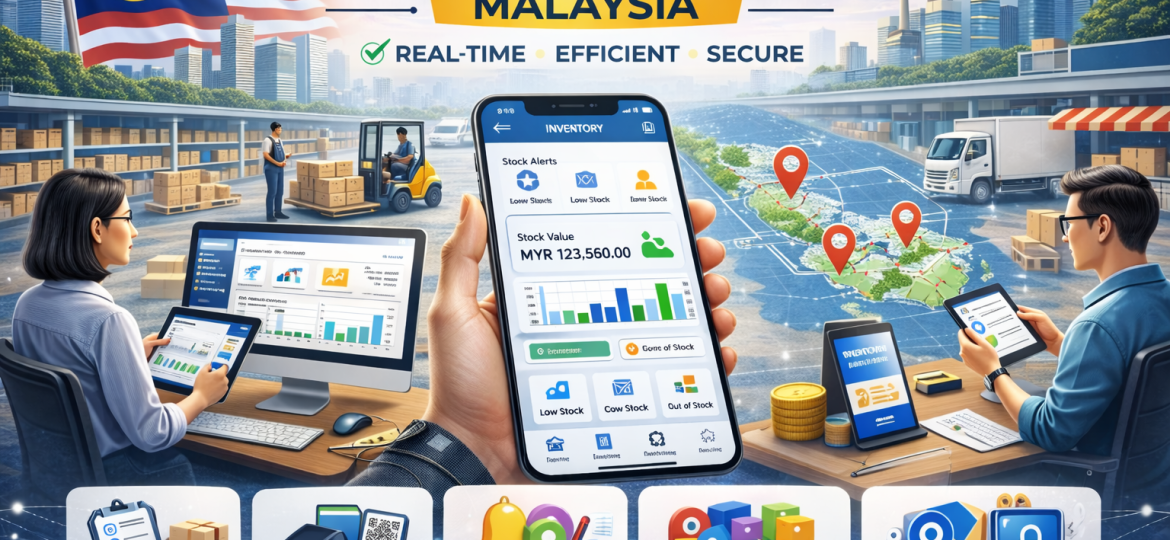
Inventory Tracking Management: A Comprehensive Guide for Malaysian Businesses
For businesses in Malaysia, inventory is a key asset that impacts operations, sales, and profitability. Without a proper inventory tracking management system in place, businesses risk inefficiencies, lost sales, overstocking, or stockouts. As businesses grow and manage more products, keeping track of inventory manually can become cumbersome and prone to errors. This is where an efficient inventory tracking management system comes into play.
In this blog post, we will explore the importance of inventory tracking management, the best practices for using it, and how businesses in Malaysia can leverage technology to streamline inventory processes, reduce costs, and enhance customer satisfaction.
What is Inventory Tracking Management?
Inventory tracking management refers to the process of overseeing and managing the flow of products and materials within a business. It involves monitoring inventory levels, tracking items as they are purchased, stored, and sold, and ensuring that the right stock is available at the right time. Effective inventory tracking management enables businesses to optimize stock levels, reduce wastage, and improve overall operational efficiency.
At its core, inventory tracking management helps businesses:
-
Track the quantity of products on hand.
-
Automate stock replenishment when inventory reaches a certain threshold.
-
Manage the movement of products through various stages, from procurement to sales.
-
Maintain accurate records for financial and regulatory purposes.
With the right system in place, businesses can improve inventory accuracy, avoid costly errors, and create a smoother and more efficient workflow.
Why Inventory Tracking Management is Essential for Malaysian SMEs
For SMEs in Malaysia, inventory tracking management is more than just a tool for monitoring stock levels. It is essential for ensuring that a business can operate efficiently, meet customer demands, and maintain a positive bottom line. Here’s why it’s particularly important for Malaysian businesses:
1. Efficient Operations
Inventory tracking management systems help streamline various aspects of business operations, including order fulfillment, inventory replenishment, and procurement. This reduces manual errors, speeds up processes, and allows businesses to scale effectively.
2. Better Cash Flow Management
Improper inventory management can lead to overstocking or stockouts, both of which can negatively impact a business’s cash flow. Overstocking ties up capital in unsold products, while stockouts result in missed sales opportunities. Inventory tracking management helps businesses find the right balance by optimizing inventory levels and preventing unnecessary costs.
3. Accurate Forecasting
In a competitive market like Malaysia, businesses need to forecast demand accurately to avoid inventory issues. A robust inventory tracking management system enables businesses to track trends, sales cycles, and seasonal demand patterns, ensuring they always have the right amount of stock at the right time.
4. Enhanced Customer Satisfaction
In an age where customers expect fast and accurate deliveries, businesses must ensure their inventory is in top shape. A well-managed inventory system ensures that products are always available, minimizing delays and enhancing customer satisfaction. A good experience leads to repeat customers and positive word-of-mouth.
5. Regulatory Compliance
In Malaysia, businesses need to comply with regulations, including tax laws and the Sales and Service Tax (SST). Proper inventory management helps ensure compliance by providing accurate records and documentation for auditing and reporting purposes.
How Inventory Tracking Management Works
An efficient inventory tracking management system involves various components that work together to track and manage inventory throughout its lifecycle. Here’s a step-by-step look at how it typically works:
1. Inventory Acquisition
When inventory is purchased or received from suppliers, it is added to the system. The system tracks the incoming products, including quantities, costs, and supplier details. This is the starting point for inventory tracking.
2. Stock Level Monitoring
Once inventory is in the system, it is tracked in real time. Each time a sale is made, the system automatically updates the stock levels, providing businesses with an accurate count of available inventory. Similarly, when restocking is required, the system triggers notifications for reorder.
3. Order Fulfillment
When a customer places an order, inventory tracking management ensures that the correct items are selected and shipped on time. The system checks stock levels and automatically updates inventory, ensuring that products are accurately tracked from warehouse to customer.
4. Inventory Replenishment
The inventory tracking management system can automatically generate purchase orders when stock levels reach predefined thresholds. This ensures that inventory is restocked in a timely manner, reducing the risk of stockouts.
5. Reporting and Analytics
A modern inventory management system also provides reporting and analytics features. These reports can track sales trends, inventory turnover, and stock performance, allowing business owners to make data-driven decisions and optimize their operations.
Benefits of Using an Inventory Tracking Management System
Implementing an inventory tracking management system brings numerous advantages to businesses in Malaysia. Here are some of the key benefits:
1. Increased Efficiency and Productivity
Manual inventory management is time-consuming and prone to errors. An automated inventory tracking system increases efficiency by automating key tasks like stock updates, order processing, and reporting. This frees up time for employees to focus on higher-value tasks and business growth.
2. Cost Savings
An effective inventory tracking management system helps businesses save money by minimizing overstocking, reducing wastage, and preventing stockouts. Businesses can ensure they have the right products at the right time without holding excessive inventory, which can reduce storage costs and improve cash flow.
3. Real-Time Visibility
Real-time tracking provides businesses with accurate and up-to-date information about stock levels, product availability, and order status. This visibility helps business owners make informed decisions regarding procurement, sales, and customer service.
4. Better Demand Forecasting
By analyzing sales data and historical trends, inventory tracking management systems can help businesses predict future demand. This allows businesses to make informed purchasing decisions and adjust their inventory strategy accordingly.
5. Improved Customer Satisfaction
When a business has a solid inventory tracking management system in place, they can deliver products to customers faster and with fewer errors. This leads to improved customer satisfaction and better customer retention.
Best Inventory Tracking Management Systems for Malaysian SMEs
There are several inventory tracking management systems available for Malaysian businesses. Below are some of the top solutions to consider:
1. Zoho Inventory
Overview: Zoho Inventory is a cloud-based solution that offers powerful inventory tracking features, such as real-time stock updates, multi-location support, and integrations with various e-commerce platforms.
Key Features:
-
Multi-channel sales and multi-currency support
-
Automated stock updates and order management
-
Customizable reporting and analytics
-
Integration with Zoho Books for accounting
-
Affordable pricing for small businesses
Best For: Small to medium-sized businesses looking for an affordable, scalable inventory management solution.
2. QuickBooks Commerce
Overview: QuickBooks Commerce (formerly TradeGecko) is an all-in-one inventory and order management system. It integrates seamlessly with accounting software and is ideal for e-commerce businesses.
Key Features:
-
Multi-location inventory management
-
Integration with QuickBooks, Shopify, and other platforms
-
Real-time stock tracking and automated order processing
-
Customizable reports and analytics
Best For: E-commerce businesses that need an integrated inventory and accounting solution.
3. Cin7
Overview: Cin7 is a comprehensive inventory and order management system that integrates with multiple sales channels and platforms. It offers real-time inventory tracking, warehouse management, and order fulfillment tools.
Key Features:
-
Multi-channel inventory management (e-commerce, POS, wholesale)
-
Integration with accounting, POS, and e-commerce systems
-
Real-time reporting and analytics
-
Automated stock replenishment
Best For: Larger businesses or those with complex inventory needs that require multi-channel support.
4. Machi
Overview: Machi is a locally developed inventory management solution designed specifically for Malaysian SMEs. It offers easy-to-use features like real-time tracking, automated reordering, and local customer support.
Key Features:
-
Real-time stock tracking and automated updates
-
Multi-location inventory management
-
Integration with accounting and e-commerce platforms
-
Local support and affordable pricing
Best For: Malaysian SMEs looking for a simple, affordable, and locally supported inventory management solution.
Cost of Inventory Tracking Management Systems in Malaysia
The cost of inventory tracking management systems in Malaysia varies depending on the system and the features you need. Here’s a general breakdown:
-
Free Plans: Some systems, like Zoho Inventory, offer free plans for businesses with limited invoicing and stock management needs (e.g., up to 50 orders per month).
-
Subscription-Based Plans: Most inventory tracking management solutions charge monthly fees that typically range from MYR 100 to MYR 500, depending on the number of users, integrations, and features.
-
Custom Pricing: Larger businesses or those with more complex inventory needs may require custom pricing. Systems like Cin7 and QuickBooks Commerce offer tailored solutions based on the size and requirements of your business.
Frequently Asked Questions (FAQs)
1. What is the difference between inventory management and inventory tracking?
Inventory management is the broader process of overseeing stock levels, orders, and stock replenishment, while inventory tracking refers specifically to the process of monitoring individual stock movements and quantities.
2. Can I use an inventory tracking system if I have multiple sales channels?
Yes, most inventory tracking management systems, such as Cin7 and Zoho Inventory, are designed to handle multi-channel inventory tracking, including e-commerce, POS, and wholesale channels.
3. How does an inventory management system improve customer service?
By ensuring products are available when needed and orders are fulfilled quickly, inventory tracking management helps improve order accuracy, reduce delays, and increase customer satisfaction.
4. How do I choose the best inventory management system for my business?
Consider factors like the size of your business, the complexity of your inventory, the number of sales channels, and your budget. Systems like Zoho Inventory are great for small businesses, while Cin7 is better suited for larger or multi-channel operations.
5. How do I integrate an inventory tracking system with my existing systems?
Many modern inventory tracking management systems offer integrations with popular accounting software (like QuickBooks), e-commerce platforms (like Shopify), and CRM tools. Look for systems that support these integrations to streamline your workflow.
Conclusion: Optimize Your Inventory Tracking Management for Business Success
For Malaysian businesses looking to improve operational efficiency, reduce costs, and enhance customer satisfaction, adopting a stock inventory management system is essential. Whether you choose a solution like Zoho Inventory for its affordability or Cin7 for its advanced multi-channel support, the right system will enable you to track your inventory in real-time, optimize stock levels, and make data-driven decisions.
Start improving your inventory management today by choosing the right system for your business and watch your operations become more efficient, your costs lower, and your customer satisfaction higher.
