


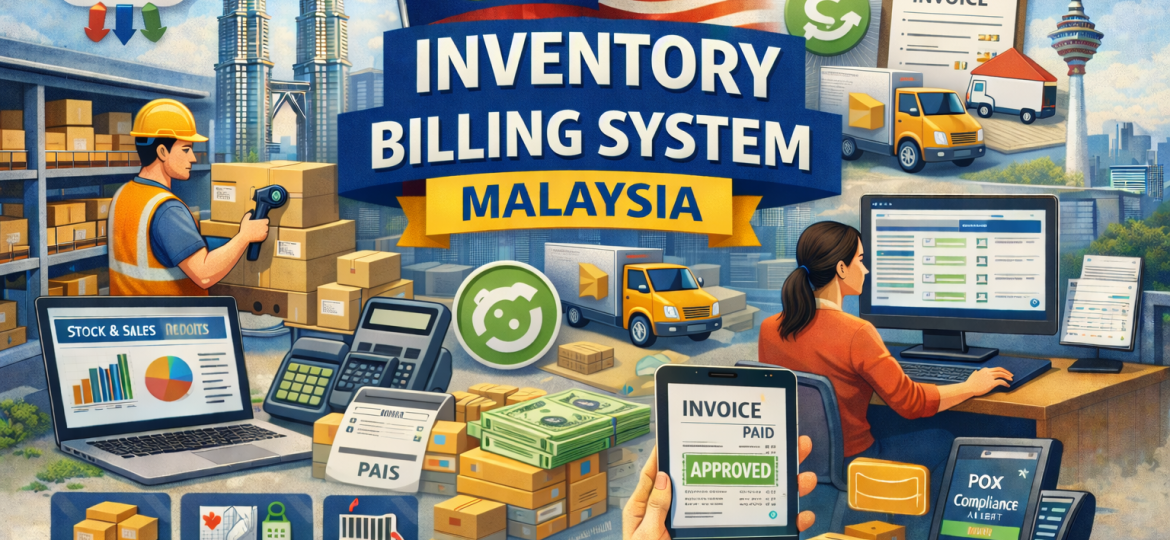
Inventory Billing System: A Game-Changer for Singapore Businesses
Efficient inventory management is a key pillar for the success of any business, especially for SMEs in Singapore. From tracking stock to managing billing and invoicing, these processes can become increasingly complex as businesses grow. This is where an inventory billing system can play a vital role in streamlining operations, improving accuracy, and enhancing customer satisfaction.
In this comprehensive guide, we will explore what an inventory billing system is, its core features, benefits, and how Singapore businesses can leverage it to drive operational efficiency. We’ll also provide an in-depth look at pricing, comparisons with other tools, and answer some of the most frequently asked questions about these systems.
What Is an Inventory Billing System?
An inventory billing system is an integrated solution that combines inventory management with the billing process. It allows businesses to automatically update inventory levels, generate invoices, and track payments as sales are made. This system seamlessly integrates inventory tracking, order management, and billing into a single platform, ensuring that stock levels and financial records remain in sync.
For Singapore SMEs, adopting an inventory billing system can significantly reduce the errors associated with manual processes, optimize stock levels, and ensure that customers are billed accurately and promptly.
The Key Features of an Inventory Billing System
To better understand how an inventory billing system can benefit your business, it’s important to know what features to expect. Here are the key functionalities these systems typically offer:
Real-Time Inventory Tracking
Automatically update inventory levels as sales are made or stock is replenished. This ensures businesses always have up-to-date information on stock availability, preventing stockouts or overstocking.Automated Billing and Invoicing
The system generates invoices based on the sales data, automating billing tasks and ensuring customers are charged accurately and on time. This reduces manual data entry errors and saves time.Multi-Location and Multi-Channel Support
For businesses operating in multiple locations or through various sales channels (physical stores, e-commerce platforms, etc.), an inventory billing system helps track stock and sales across all channels, ensuring consistency and accuracy.Integration with Accounting and ERP Systems
The system can integrate with your existing accounting software or Enterprise Resource Planning (ERP) system, ensuring seamless data flow between inventory management and financial tracking.Customizable Reporting and Analytics
Generate reports on inventory status, sales trends, and billing performance. This feature helps you make data-driven decisions and identify areas for improvement.Tax and Compliance Management
Many inventory billing systems can be customized to calculate taxes according to local regulations, ensuring compliance with Singapore’s tax laws.Mobile Access
Some systems offer mobile access, allowing business owners and managers to track inventory levels, process orders, and generate invoices from anywhere, providing flexibility and real-time insights.
Benefits of Using an Inventory Billing System for Singapore SMEs
1. Streamlined Operations
The integration of inventory management and billing in a single platform streamlines operations by eliminating the need for multiple systems or manual data entry. For businesses in Singapore, this means fewer mistakes, reduced administrative work, and faster order fulfillment.
2. Enhanced Accuracy
Manual inventory tracking and billing can often lead to errors, especially when dealing with large volumes of products or frequent transactions. An inventory billing system automatically updates stock levels and generates accurate invoices based on real-time data, reducing human error and ensuring that your records are always up-to-date.
3. Time and Cost Savings
Automation is a key benefit of an inventory billing system. By reducing the need for manual stock updates, order processing, and invoice generation, businesses can save time and cut operational costs. Employees can focus on more strategic tasks, such as customer service or business development.
4. Improved Customer Satisfaction
By automating the billing process and ensuring that stock levels are accurate, businesses can prevent issues like overcharging, undercharging, or delayed shipments. Accurate invoices and prompt order fulfillment lead to better customer satisfaction and loyalty, which is crucial for businesses looking to maintain a competitive edge in the Singaporean market.
5. Better Decision-Making with Data Insights
An integrated inventory billing system provides valuable insights into your inventory and sales performance. With advanced reporting features, businesses can track stock trends, identify slow-moving products, and forecast demand more accurately. This data enables better decision-making when it comes to restocking, pricing strategies, and overall business planning.
How an Inventory Billing System Can Improve Your Bottom Line
When it comes to running a business in Singapore, the bottom line is everything. An inventory billing system helps optimize stock levels, reduce wastage, and prevent lost sales—all of which directly impact profitability.
Optimize Stock Levels: By tracking sales trends and inventory levels in real-time, businesses can avoid overstocking or stockouts, both of which are costly. Overstocking ties up valuable resources, while stockouts result in lost sales and unhappy customers.
Prevent Wastage: For businesses dealing with perishable goods or time-sensitive inventory, accurate tracking can help prevent waste. An inventory billing system ensures that products are sold before they expire, minimizing losses.
Faster Payment Processing: By automating the billing and invoicing process, businesses can speed up payment processing. With faster billing, cash flow improves, and businesses can invest in growth initiatives.
How Much Does an Inventory Billing System Cost?
The cost of an inventory billing system varies depending on factors such as the size of your business, the complexity of the system, and the features you require. Here’s a general breakdown:
1. Basic Plans
Basic inventory billing systems with essential features (real-time inventory tracking, automated invoicing, basic reporting) can start as low as $20-$50 per month. These are ideal for small businesses with simple inventory management needs.
2. Mid-Tier Plans
For businesses that require multi-location support, advanced reporting, and integrations with accounting software, mid-tier plans typically cost between $100 and $300 per month. These plans offer more customization and scalability.
3. Enterprise Solutions
Larger businesses with complex inventory needs may require enterprise-grade solutions. These systems often come with a higher price tag, starting at $500 per month and going up, depending on the level of customization, support, and additional features needed.
It’s important to consider the total cost of ownership (TCO) when evaluating different systems. While a more expensive solution may offer advanced features, a smaller business may not require all of them right away. Choose a system that aligns with your current needs but can also grow as your business expands.
Comparing Inventory Billing Systems: What to Look For
When selecting an inventory billing system for your business, it’s important to consider factors such as ease of use, scalability, integration capabilities, and customer support. Here’s how to compare different systems:
1. Ease of Use
The system should be intuitive and easy for your team to adopt. Look for systems with user-friendly interfaces and minimal training requirements.
2. Scalability
As your business grows, your inventory management and billing needs will evolve. Choose a system that can scale with your business and accommodate more users, products, and locations.
3. Integration with Other Business Tools
Ensure that the system can integrate seamlessly with your existing tools, such as accounting software (e.g., Xero, QuickBooks) and e-commerce platforms (e.g., Shopify, WooCommerce). Integration reduces the need for manual data entry and helps streamline your operations.
4. Customer Support
Reliable customer support is crucial, especially when implementing new software. Look for systems that offer 24/7 support, detailed documentation, and responsive customer service channels.
Frequently Asked Questions (FAQs)
1. What is an inventory billing system?
An inventory billing system integrates inventory management with billing and invoicing processes. It helps businesses track stock levels, generate invoices, and automate billing tasks, ensuring accuracy and efficiency.
2. How does an inventory billing system benefit Singapore businesses?
By automating inventory and billing tasks, Singapore businesses can reduce errors, streamline operations, improve customer satisfaction, and make better data-driven decisions. It helps optimize stock levels and improve cash flow.
3. What are the key features of an inventory billing system?
Key features include real-time inventory tracking, automated billing and invoicing, multi-location and multi-channel support, integration with accounting systems, reporting and analytics, and mobile access.
4. How much does an inventory billing system cost?
Costs range from $20 to $50 per month for basic plans, $100 to $300 per month for mid-tier plans, and $500 or more for enterprise-grade solutions, depending on the features and business size.
5. Can an inventory billing system integrate with other business software?
Yes, most modern inventory billing systems can integrate with accounting software, e-commerce platforms, and ERP systems, allowing businesses to streamline their operations and reduce manual data entry.
Conclusion: Optimize Your Operations with an Inventory Billing System
For Singapore SMEs, an inventory billing system is an essential tool for automating inventory management, reducing errors, and improving customer satisfaction. By integrating billing and inventory processes into one system, businesses can save time, optimize stock levels, and make better-informed decisions. Whether you’re a small retailer or an expanding e-commerce business, an inventory billing system can streamline your operations and drive growth.
Consider implementing an inventory billing system today to transform your business processes, improve accuracy, and boost profitability in the competitive Singapore market.
